The Promise of Tomorrow Review: A Second-Chance Romance Built on Real Grief
- Sajjad
- Book Reviews
- 14 Sep, 2026
Second-chance romance lives or dies on whether the reason the couple split actually holds weight. The Promise of Tomorrow doesn't cut corners on that front: Olympia and Spencer didn't drift apart over something petty, they were separated by a miscarriage neither of them fully processed, and Mary Ellen Taylor spends the book letting that grief be as real and as unresolved as it would actually be, rather than a convenient obstacle waiting to be cleared by a grand romantic gesture.
I went into "The Promise of Tomorrow" expecting a fairly familiar homecoming romance, an estranged wife pulled back to a small town by a family event, an ex-husband she's not quite over. That's broadly accurate, but Taylor earns the setup by taking Olympia and Spencer's shared loss seriously as the actual engine of the story, rather than backstory to be mentioned once and then set aside in favor of easier romantic tension.
In this review, I'll walk through Olympia's year away from home and what pulls her back for her sister's engagement, the miscarriage she and Spencer never fully grieved together, the family secrets that surface alongside their reconciliation, and where the book's emotional honesty runs up against pacing that some readers have found repetitive. I'll also talk about how this fits into Taylor's broader catalog, since it's a notable departure from the historical-mystery dual-timeline structure that's defined a lot of her other work.
Overview: What The Promise of Tomorrow Is About
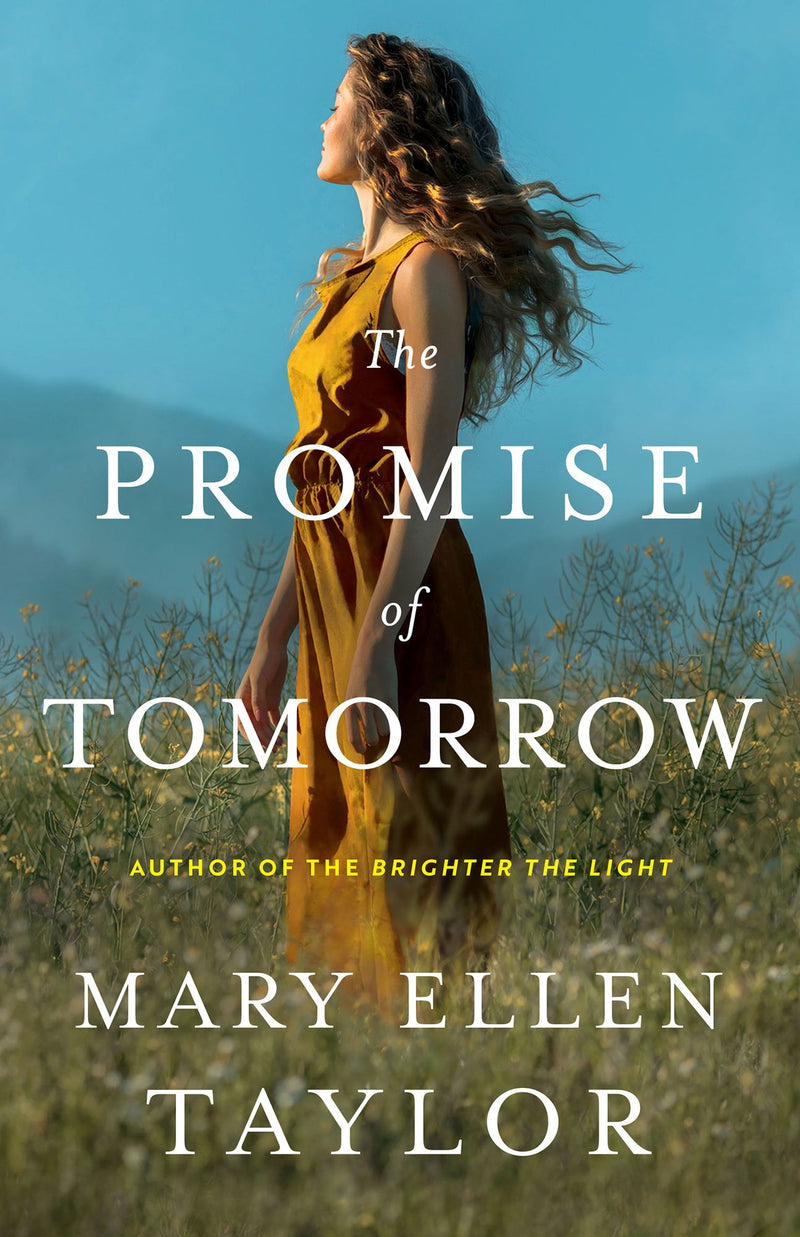
"The Promise of Tomorrow" follows Olympia, who left her small Virginia hometown and her marriage a year earlier, building a new life on the road as she tried to put distance between herself and a loss she wasn't ready to face at home. Her sister's engagement pulls her back to Blacksburg, Virginia, and with it, back into contact with everything she left behind: her family, the mountain town she grew up in, and her husband, Spencer, who's been waiting on the divorce he asked for while quietly carrying the same unresolved grief that sent Olympia running in the first place.
Olympia plans to stay only as long as necessary, long enough to visit the gravestones she's been avoiding and sign the paperwork that will make her separation from Spencer official. But proximity complicates that plan fast. Spencer is dealing with his own crisis, aging parents whose needs are mounting, alongside a grief he's never really talked through with the one person who understands it the way Olympia does. As the two spend more time in each other's orbit, family secrets long buried in both their histories start surfacing, and the mementos left behind by the people and the life they've lost, photographs, letters, unfinished plans, start to reshape how each of them understands what actually happened to their marriage.
Grief as the Engine, Not the Backstory
What distinguishes "The Promise of Tomorrow" from a lot of second-chance romance is how central Taylor keeps the miscarriage to the actual plot rather than treating it as a single tragic paragraph of backstory. Olympia and Spencer's separation isn't framed as a simple communication breakdown or a generic falling-out; it's the direct, believable consequence of two people grieving the same loss in completely incompatible ways, one running physically, one staying and quietly absorbing more responsibility than he can actually carry. That specificity gives their eventual reconciliation real stakes, because the book never lets either of them, or the reader, forget exactly what they're actually working to repair.
Taylor's handling of grief here is genuinely careful. The novel doesn't rush Olympia and Spencer toward resolution just because the plot needs them back together; it lets their reunion be uncomfortable, weighted by a year of avoided conversation and asymmetric coping, before either of them can offer the other anything like real understanding. That patience is the book's clearest strength.
Spencer's Parallel Crisis: Aging Parents and Quiet Endurance
Spencer's own arc gets meaningful development alongside Olympia's, and it's notable that Taylor doesn't let him simply be the stationary partner waiting for his wife to come home. His mounting responsibilities caring for aging parents give him a present-tense crisis of his own, one that's compounded, not separate from, the grief he's never fully processed, and that combination makes him a more three-dimensional figure than the "husband left behind" role could easily have settled for. Readers have specifically praised how three-dimensional the cast feels throughout, and Spencer's layered situation is a clear example of why that praise holds up.
Family Secrets and the Weight of What Gets Left Behind
Running alongside the central reconciliation is a thread involving family secrets that surface as Olympia reconnects with her hometown, tied thematically to the novel's broader interest in how the things people leave behind, headstones, photographs, love letters, family recipes, unfinished bucket lists, continue shaping the lives of the people who loved them, sometimes across generations. That's a recognizably Taylor preoccupation, tangible objects carrying emotional and historical weight, even in a book that otherwise departs from the more overtly historical-mystery structure of her Alexandria and Union Street Bakery series.
The dual-timeline structure here works a little differently than in those other series: rather than reaching back centuries, it moves between Olympia's present-day return and flashes of the year and relationship that led to her leaving, giving the reader a fuller picture of what Olympia and Spencer's marriage actually looked like before and after their loss, rather than relying purely on present-day exposition.
Where the Pacing Tests Patience
I'd be underselling this review if I didn't address the criticism that surfaces most consistently among readers: a number found the book's middle stretch genuinely repetitive, particularly around how frequently the narrative revisits just how difficult Olympia's situation has been. That repetition, dwelling on her hardship without always advancing the plot or the emotional arc in tandem, has left some readers describing the book as slow, predictable, and occasionally frustrating in how long it takes Olympia and Spencer to actually communicate honestly with each other.
That miscommunication-driven pacing is a familiar romance-genre tension, and it's worth noting that Taylor's version is more textually justified than a lot of examples of the trope, given how genuinely difficult it is for two people grieving differently to find their way back to honest conversation. But even well-motivated repetition can wear thin, and readers who prefer tighter, more efficiently paced emotional arcs may find the book's insistence on dwelling in Olympia's difficulty tests their patience more than the story's real emotional payoff ultimately justifies.
Mary Ellen Taylor's Craft: Emotional Honesty Over Genre Convenience
None of that undercuts what Taylor does well here. Her prose remains warm and emotionally attentive throughout, and her commitment to letting grief actually be difficult, rather than a plot obstacle cleared by a single cathartic scene, shows real maturity as a writer working within a genre that often rewards tidier resolutions. The Blacksburg mountain setting is rendered with the same strong sense of place that's defined her Alexandria and Union Street Bakery books, even without the layered historical mystery those series typically build around their settings.
Taylor's alternating perspectives between Olympia and Spencer let both characters carry real interiority rather than filtering the entire story through one partner's experience of the split, and that structural choice is a large part of why their eventual reconciliation feels earned rather than simply plotted.
How The Promise of Tomorrow Compares to Taylor's Other Work
Readers who know Taylor primarily through her Alexandria series, "At the Corner of King Street" and "The View from Prince Street," or her Union Street Bakery books, "The Union Street Bakery" and "Sweet Expectations," will notice a real departure here: no witch bottles, no centuries-old family curse, no ghostly presence nudging the plot forward. "The Promise of Tomorrow" trades that historical-mystery machinery for a more grounded, purely contemporary second-chance romance, and the result is a book more tightly focused on Olympia and Spencer's specific emotional reckoning without the additional plot threads that have sometimes stretched her other novels thin across too many simultaneous storylines. It's arguably a more disciplined structure, even if it loses some of the genre-blending novelty that distinguishes her more overtly historical work.
About Author Mary Ellen Taylor
Mary Ellen Taylor is an Amazon Charts bestselling author best known for dual-timeline women's fiction set across Virginia and the Outer Banks of North Carolina, including the Alexandria and Union Street Bakery series. "The Promise of Tomorrow," published by Montlake in June 2024, shows her applying the same strong sense of place and interest in the physical objects that carry emotional weight across generations to a more contemporary, single-timeline romance, demonstrating real range beyond the historical-mystery format she's most closely associated with.
Critical Reception and Reader Response
"The Promise of Tomorrow" holds a strong 4.29-star average across more than 16,000 Goodreads ratings and nearly 600 written reviews, with more than 5,500 five-star ratings reflecting a genuinely enthusiastic readership. Reviewers have consistently praised the emotionally engaging, flawed characters, the multifaceted development of Olympia and Spencer's relationship through alternating perspectives, and the vivid rendering of the Blacksburg mountain setting, with several readers specifically highlighting subtle twists that kept familiar second-chance-romance beats feeling fresh.
The criticism that surfaces most consistently centers on pacing and repetition: some readers found the middle section slow and the narrative's tendency to repeatedly emphasize Olympia's hardship wearing thin well before the book's resolution. A number also flagged frustration with how long the central couple takes to communicate honestly with each other, a common complaint in second-chance romance generally but one that several readers felt persisted longer than the story's emotional stakes required.
Key Takeaways from The Promise of Tomorrow
The shared grief is treated as the actual plot, not backstory. Olympia and Spencer's miscarriage and their incompatible ways of coping with it drive the entire reconciliation rather than being mentioned once and set aside.
Spencer gets real, parallel development. His crisis caring for aging parents keeps him from being a passive figure simply waiting for his wife to return.
The alternating perspectives give both leads genuine interiority. Neither character's experience of the split gets filtered entirely through the other's point of view.
The pacing tests patience in the middle section. Repetitive emphasis on Olympia's hardship and slow-building communication between the leads frustrate a meaningful portion of readers.
This marks a genre departure for Taylor. No historical mystery or supernatural element here, just a grounded, tightly focused contemporary second-chance romance.
Conclusion: Is The Promise of Tomorrow Worth Reading?
"The Promise of Tomorrow" is a genuinely emotionally honest second-chance romance that earns its central reconciliation by taking Olympia and Spencer's shared grief seriously as the actual substance of the story rather than convenient backstory. Their incompatible ways of coping with a miscarriage neither fully processed gives the book real stakes, and Taylor's alternating perspectives let both characters carry genuine weight in a reunion that never feels rushed or unearned.
It asks real patience in its middle stretch, where repetition and slow-building communication between its leads test some readers' goodwill, but as a more disciplined, contemporary departure from Taylor's usual historical-mystery format, "The Promise of Tomorrow" delivers a second-chance romance built on grief that actually feels real. You can pick up a copy of "The Promise of Tomorrow" on Amazon and see whether Olympia and Spencer's reckoning with what they lost pays off for you the way it did for most of its readers.